
Opinion
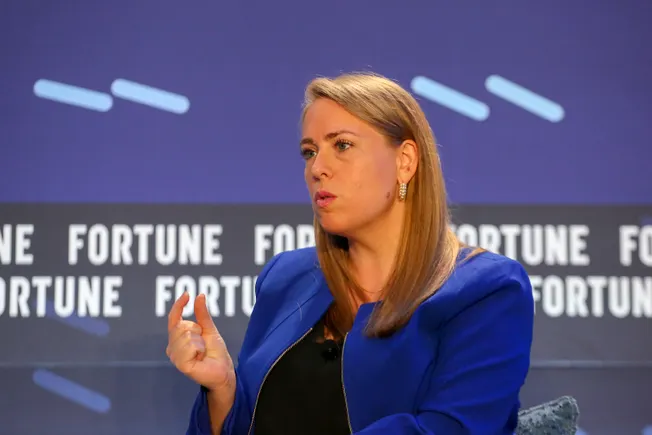
EEOC wants to end demographic reporting. Smart companies won’t stop measuring.
The EEOC held a hearing on August 11 regarding the elimination of annual demographic reporting requirements, and the proposal has not yet been finalized. Catalyst CEO Jennifer McCollum and Vice President of Research Laurie Henneborn co-authored an article stating that workforce data is not only a compliance tool but also a key driver of talent decisions and business performance. They cite research showing that organizations using HR metrics to address inequality are more likely to gain advantages in customer loyalty, talent attraction, and employee engagement, and they recommend that companies continue systematically analyzing data even if the legal environment changes.


How companies are accidentally training future leaders to stay quiet
Early-career employees hesitate to ask questions for fear of exposing ignorance, and a culture that rewards quick answers over exploration exacerbates the issue. This article explores how to reshape the workplace so that curiosity no longer carries career risk.
Pulling back from DEI increases legal risk — and costs organizations qualified women
Scaling back DEI initiatives may backfire: recent EEOC settlement cases indicate that sex discrimination and retaliation remain enforcement priorities, and compliance obligations have not changed. Drawing on case examples and expert research, this article proposes eight best practices based on EEOC guidance to help HR leaders build fair workplaces and avoid both legal and talent risks.

Remote work isn’t always a ‘reasonable’ accommodation: 4 tips for employers
The U.S. Fifth Circuit Court of Appeals recently ruled that employers can deny employees' remote work requests under certain circumstances, even if the request is based on a reasonable accommodation under the Americans with Disabilities Act. This article summarizes the key points of the case and provides four practical suggestions for employers.
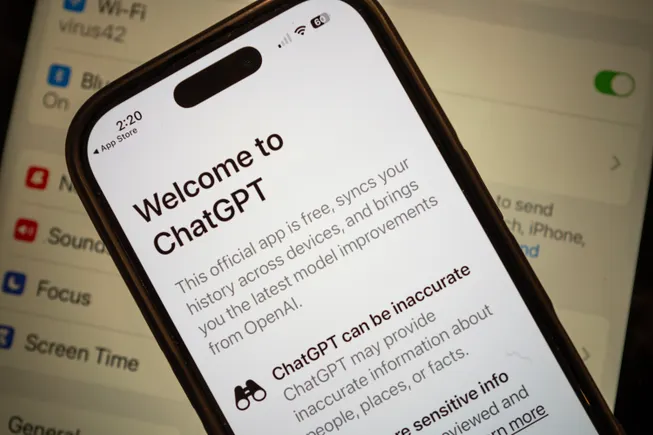
How AI ‘workslop’ is undermining your organization’s performance
While AI tools enhance efficiency, they may also generate a large amount of low-quality 'work slop' (workslop), making it difficult for organizations to realize actual value from AI investments. Gartner research shows that only 10% of CFOs report achieving financial returns from AI. This article suggests that CHROs can reverse this trend by identifying AI-suitable tasks and providing targeted training, as well as restructuring performance metrics to reward value rather than speed.

When does the compensable workday begin and end for remote employees? The answer is evolving.
More than one-third of U.S. employees work remotely at least one day per week, and employers need to establish rules defining when remote employees' billable workdays start and end. This article explores the relevant legal framework and analyzes differing rulings among circuit courts within the federal court system on activities such as starting up and shutting down computers, offering compliance recommendations for employers.

What it takes to lead a dispersed front-line workforce
Cultural strategies for frontline employees are often based on incorrect assumptions. Based on the experience of Fidium's CHRO Lynnelle Long, this article proposes key elements for leading a dispersed frontline workforce: empowering managers, focusing on recognition, ensuring feedback is acted upon, and strengthening communication in non-office settings to build consistency and employee belonging.

What HR leaders should do when world events hit the workplace
Global conflicts and instability are deeply affecting the workplace, posing challenges from employee mental health to operational continuity. Amy Dufrane, CEO of HRCI, points out that companies should abandon one-off crisis response models and instead build an 'always-on' resilience system, protecting employees and maintaining business stability amid turmoil through cross-departmental collaboration, transparent communication, manager training, and employee assistance programs.

Employers don’t have to build the AI algorithm to own the liability
As AI tools become more prevalent in workplace decision-making, many employers mistakenly believe that responsibility lies with the software vendor. However, legal practice shows that employers must be accountable for the outcomes of AI-assisted decisions. This article analyzes federal and state regulatory trends and recommends that employers mitigate risks through audits, documentation, and contract review.