
U.S. Labor Department Official: Return-to-Work Support Should Be Advanced 'Early, Coordinated, and Continuously'
Julie Hocker, Assistant Secretary of the U.S. Department of Labor for Disability Employment Policy, stated at the 2026 Disability Management Employer Coalition Annual Conference in Nashville that successful return-to-work programs should feature three key characteristics: 'early, coordinated, and continuous.' She cited data showing that the probability of an employee returning to work after 12 weeks of absence is about 50%, and declines significantly thereafter. Hocker believes that work itself is part of recovery, and employers should proactively build pathways for return. DMEC CEO Bryon Bass noted that only about 40% of employers have formal workplace support programs, a 7-percentage-point decrease from two years ago, which is concerning.
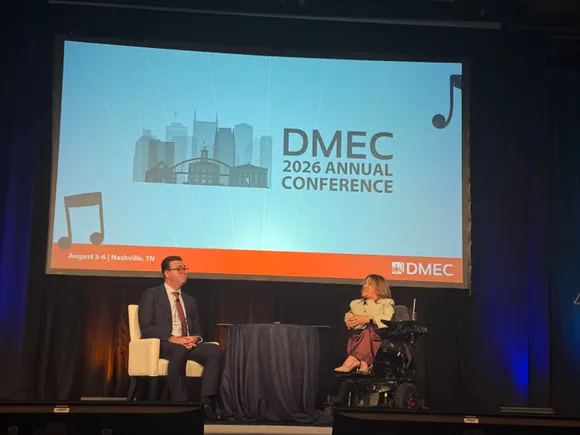
NASHVILLE — Julie Hocker, the U.S. Department of Labor's assistant secretary for disability employment policy, said that for employers and employees alike, successful return-to-work programs must involve "early intervention, collaboration, and ongoing follow-up."
"The harsh reality is: the longer a person is away from work, the harder it is to return," Hocker said at the 2026 Disability Management Employer Coalition (DMEC) annual conference in Nashville, Tennessee. "After just 12 weeks away, the odds of an employee returning are essentially a coin flip, about 50-50."
According to multiple sources, beyond that point, the likelihood of returning drops significantly.
"This decline is rarely due to a lack of willingness to recover or desire to work on the employee's part," Hocker said. "If the organizational system itself is flawed, even the strongest will can be crushed by administrative red tape and isolation."
She believes employees need employers to "pave a path and lead them halfway down it," while a fundamental shift in mindset around leave management is necessary.
"Work is not a reward after recovery; work itself is recovery. Staying connected to work is not separate from treatment—it is part of the treatment process," Hocker emphasized.
She also noted that helping employees return to work benefits employers as well, including improved retention, better morale, and cost savings. "It's good for the overall company culture, and I think we always need to be honest about the bottom line."
Hocker mentioned that by age 56, nearly half of Americans have experienced short-term or long-term injury or illness. "By definition, they have all been disabled at some point."
However, DMEC CEO Bryon Bass, citing the organization's research, noted that currently only about 40% of employers have formal stay-at-work programs. This is a 7 percentage point drop from two years ago, a decline Bass described as "concerning."
"We have the opportunity to find ways to keep employees working through flexible arrangements, reasonable accommodations, and rethinking how work is done," Bass said.