
Deep Dive
来自我们记者的行业洞察

How two women found their voice in a male-dominated industry
In the timber supply industry, María García Osés and Freya Hannah tell the story of how they overcame gender barriers, gained confidence, and found their professional voice. The article explores the impact of mentorship, learning and development programs, managerial support, and workplace bias on women's career advancement.


Johnson & Johnson Drug Benefit Lawsuit: An 'Absolute' Warning for Employers
Earlier this month, a lawsuit accusing Fortune 500 company Johnson & Johnson of overpaying for prescription drugs provided an opportunity for employers to re-examine how they manage their prescription drug benefits. Experts point out that amid a changing regulatory environment, this case underscores the long-standing issue of insufficient transparency in the pharmacy benefit management (PBM) sector and advise employers to proactively demand more data and accountability mechanisms.
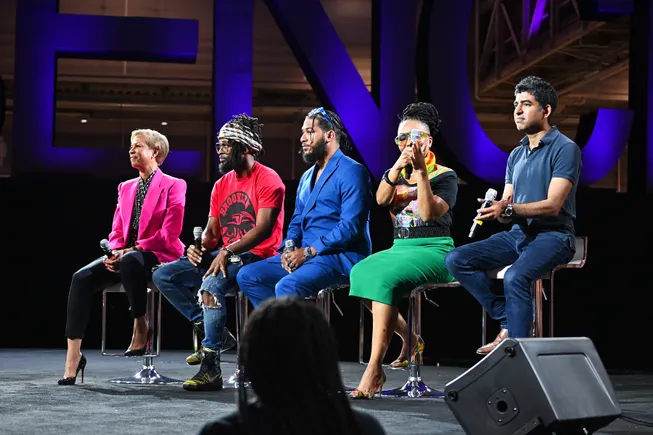
Black Maternal Mortality Rates Remain High: How Employers Can Improve Outcomes Through Benefits Interventions
Data from the U.S. Centers for Disease Control and Prevention shows that in 2021, the Black maternal mortality rate was 69.9 deaths per 100,000 live births, approximately three times that of White women. Economist Emily Oster's research indicates that high-income Black women experience severe complication rates comparable to those of low-income Black women, suggesting that income is not a protective factor. Implicit bias in the healthcare system, lack of listening, and structural racism are key contributors to this crisis. This article, drawing on Serena Williams' personal experience, midwifery center practices, and employer benefits cases, explores how interventions such as doula support, virtual care platforms, and paid leave can help improve health outcomes for Black mothers.

Why Black Hairstyles Remain a Focus of Workplace Diversity and Equality Issues
Despite the Civil Rights Act prohibiting race-based discrimination, natural Black hairstyles are still often viewed as "unprofessional." This article, drawing on the progress of the CROWN Act, New York City Human Rights Law practices, and expert interviews, analyzes the roots and impact of hairstyle discrimination and how HR should respond.

Many states relax degree requirements, but employers still favor college diplomas
Since Maryland became the first state to remove degree requirements for thousands of government positions in March 2022, at least 19 states have followed with similar policies. However, expert analysis suggests that while these measures help fill job vacancies, they will not diminish the value of college diplomas in the labor market. Employers still tend to use degrees as a basis for screening and pay, and the practical impact of skills-based hiring remains limited.
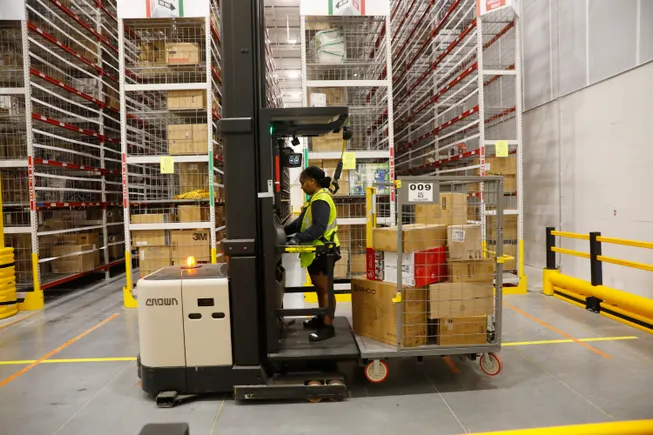
U.S. warehousing employment continues to decline, with more layoffs imminent in 2024
U.S. warehousing employment continues to decline, with more layoffs imminent in 2024. December warehousing employment fell to 1.85 million, the lowest since November 2021. Several companies have announced facility closures and layoffs, affecting over 2,800 employees.

Top Five Human Resources Trends to Watch in 2024
For HR teams and the employees they manage, 2023 felt like a level in a Super Mario game, full of obstacles and unpredictability. Looking ahead to 2024, HR professionals must address five major trends: intensifying debates over return-to-office policies, deepening AI adoption amid lingering questions, declining manager engagement posing training challenges, economic volatility driving financial wellness concerns, and mental health needs prompting customized strategies. This article synthesizes insights from multiple industry executives and experts to analyze the short- and long-term impacts of these trends.
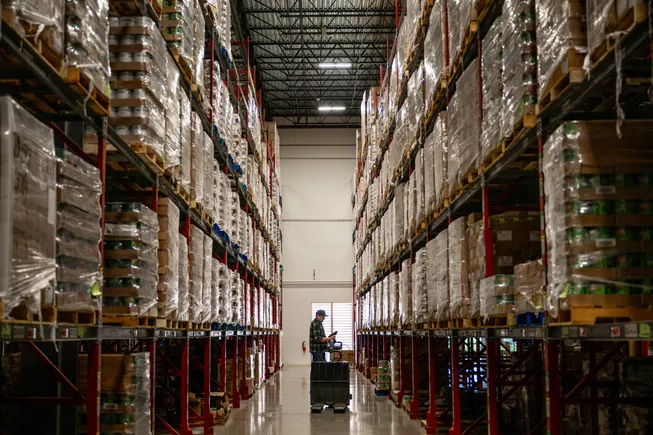
How employers can address social factors affecting employee attendance
Employers are extending the concept of "social determinants of health" from the medical field to "social determinants of work," improving employee well-being and corporate performance through listening to employees, community collaboration, direct intervention, and partnerships.

Building Bridges: How Agencies Help the Homeless Return to the Workforce
This article explores how nonprofit organizations and government agencies help the homeless re-enter the labor market through vocational skills training, job matching platforms, and comprehensive support services, while providing businesses with access to this talent pool.