Deep Dive
来自我们记者的行业洞察

Four Missteps in Returning to the Office: Experts Urge Employers to Avoid Mandates and Imitation
In late 2023, executives at companies like Amazon and Goldman Sachs took a firm stance on return-to-office requirements, but experts warn employers to be cautious in driving RTO. Based on insights from multiple experts, this article summarizes four common missteps: forcing all employees to return immediately, signaling distrust, relying solely on perks or office space to attract employees, and blindly copying other companies' policies. It also offers recommendations such as phased returns and balancing management needs with employee preferences.
Working parents need a 'village' of support, advocates urge employers to be part of it
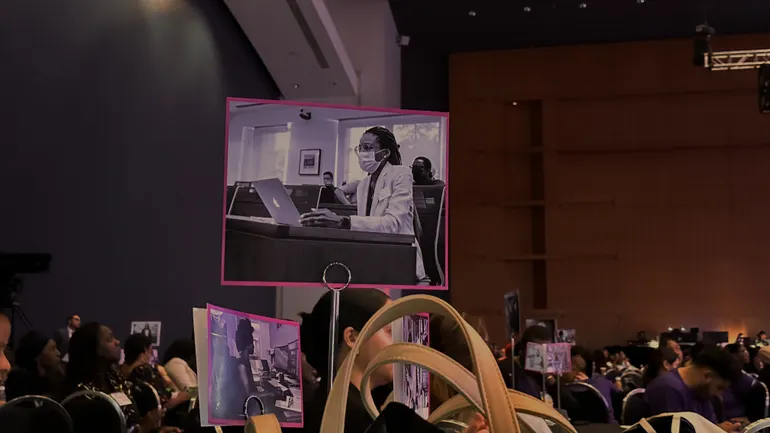
The National Maternal and Infant Health Summit focused on the challenges faced by working parents, with D.C. Councilmember Christina Henderson criticizing that the traditional notion of 'it takes a village to raise a child' overlooks the responsibilities of employers and institutions. The summit urged employers to expand coverage for fertility treatments and miscarriage support on top of public benefits, emphasizing that compliance is only the foundation and that employee experience needs to be enhanced.

A successful return-to-office policy also requires employee engagement strategies
As most employers plan to implement return-to-office (RTO) policies before 2024, HR faces the challenge of balancing employees' hybrid preferences. Owl Labs surveys show that remote work boosts productivity, but employees also value in-person collaboration. Experts suggest that through continuous communication, designing inviting spaces, and organizing engagement activities, offices can become places employees look forward to.

Generative AI Wave Raises Uncertainty About the Future of IT Help Desk Roles
The rapid development of generative AI is reshaping the IT help desk landscape, particularly entry-level technical support roles. Although most analysts believe concerns about mass unemployment are overstated, enterprises are exploring AI applications in help desks while facing challenges such as data security, accuracy, and user experience.



Indiana project opens 'second chance' pathway to manufacturing jobs
In January, Delaware County, Indiana probation officer John Bush launched the Judicial Users Manufacturing Partnership (Jump) project, aimed at helping people with criminal records enter manufacturing through training and support. The project has attracted 23 companies, filling more than a quarter of over 400 local positions, and has expanded to other industries.
Resume gaps become an automatic deduction in job hunting; how do returnships build a bridge back to the workplace?
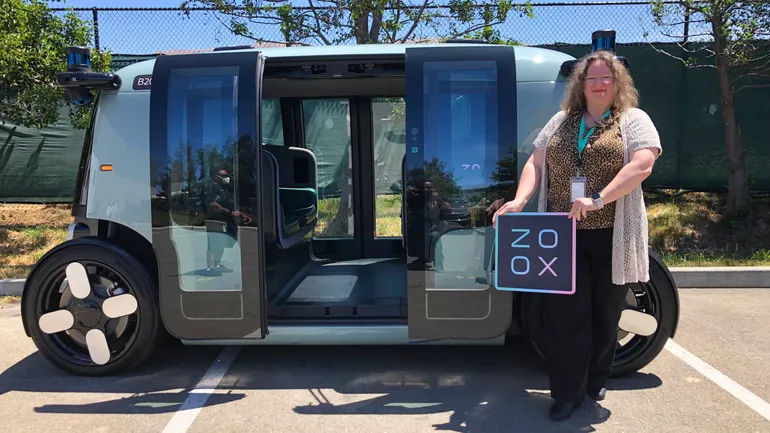
A resume gap can reduce a job seeker's chances of getting an interview by 45%. In response to this widespread implicit bias, companies such as Zoox, PepsiCo, and Schneider Electric are partnering with nonprofits like Path Forward and reacHIRE to launch returnships aimed at caregivers. This article tracks the real experiences of several participants, revealing how these programs provide a pathway back to work for experienced professionals who have temporarily left the workforce, while helping companies alleviate talent shortages and advance diversity goals.
How Second-Chance Hiring Programs Strengthen the Workforce
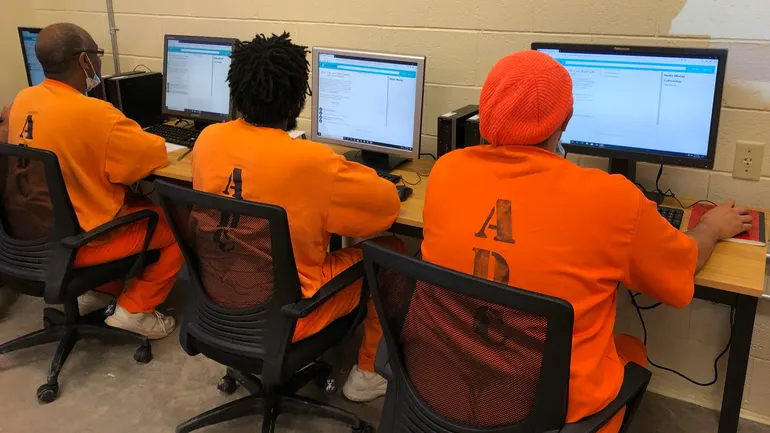
This article examines the dual benefits of second-chance hiring programs for individuals and businesses through the story of Persevere graduate Jabarre Jarrett. Data shows that the unemployment rate for former prisoners exceeds 27%, while hiring them can provide tax credits and enhance diversity. The article also mentions the progress of 'ban the box' laws and business coalitions, emphasizing the importance of a supportive environment.