
Deep Dive
来自我们记者的行业洞察

Talent war pushes employers toward faster, more frequent financial rewards
As the U.S. labor market tightens, employers increase wages, but inflation offsets real gains. Companies are adopting more flexible financial rewards such as mid-year raises and instant bonuses, while also focusing on non-compensation factors like career development and flexibility to stay competitive in the talent war.

CFO Salary Increases Far Below Inflation as Talent War Intensifies
Against a backdrop where inflation far exceeds salary increases, the U.S. labor market's quit rate has hit a multi-year high, with nearly one-third of job switchers seeing salary increases exceeding 30%. Although CFOs plan to raise salaries by more than 3%, experts warn that population aging and early retirement will constrain labor supply, and companies need to proactively address the talent war through incentive plans, benefits optimization, and supervisor training.

Under the pandemic, healthcare workers face an increased risk of workplace violence
During the pandemic, workplace violence against healthcare workers has become increasingly severe, ranging from verbal abuse to physical assault and even frequent homicide incidents. This article explores the current situation, causes, and countermeasures of violent incidents.

After the #MeToo Bill Passes, What Does the Future Hold for Mandatory Arbitration?
On February 10, the U.S. Senate passed the Ending Forced Arbitration of Sexual Assault and Sexual Harassment Act (#MeToo bill) by voice vote, which targets only sexual assault and sexual harassment claims, and President Biden is expected to sign it soon. This article traces the development of mandatory arbitration from the Federal Arbitration Act of 1925 to the Gilmer case in 1991 and the Epic Systems case in 2018, analyzes its operational process and controversies, and cites multiple lawyers and data from the Economic Policy Institute to explore whether this bill will become a starting point for abolishing broader mandatory arbitration.

Disability-Inclusive Hiring Initiative Helps Warehousing Industry Discover Overlooked Talent
The warehousing and logistics industry is facing unprecedented labor shortages, accelerating the implementation of disability-inclusive hiring programs. Consulting firm James Emmett & Company saw revenue triple last year and expects it to double again in 2022; Advance Auto has hired over 360 autistic or deaf employees across 16 distribution centers through this program. Industry experts note that disabled employees excel in loyalty and innovation, but bias remains a barrier to broader adoption.
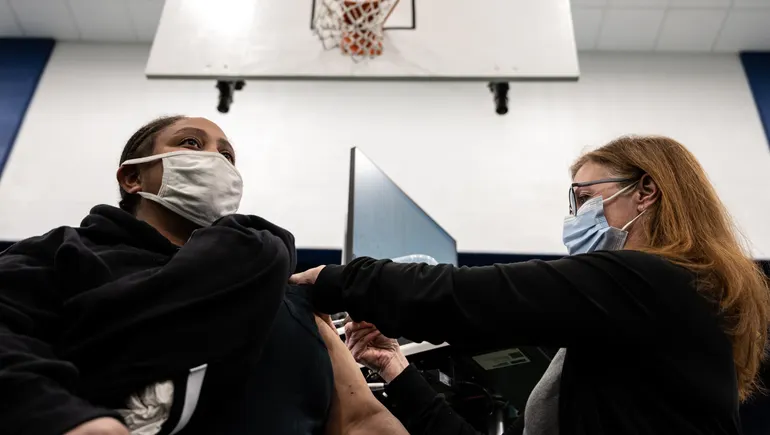
OSHA Vaccine Emergency Standard Stayed: Employers Get a Reprieve, but Compliance Challenges Are Far from Over
On January 13, the U.S. Supreme Court decided to stay OSHA's COVID-19 vaccine emergency temporary standard, allowing some employers to pause mandatory vaccination plans. However, legal experts point out that workplace safety obligations remain unchanged, and OSHA may shift to a narrower permanent standard, compounded by variables such as state-level regulations, testing costs, and the definition of 'fully vaccinated,' making employer compliance challenges still complex.

Can Telemedicine Become an Equitable "Medical Bridge" in the Post-Pandemic Era?
Telemedicine rapidly expanded during the pandemic, but its equity still faces challenges. This article explores how telemedicine can serve as a bridge to healthcare services and how employers can ensure its accessibility and inclusiveness.

Labor challenges persist, retail accelerates adoption of automation
Labor shortages are forcing food retailers to rethink their operational models, accelerating the application of automation technologies. From self-checkout to smart shopping carts, retailers are enhancing efficiency while also weighing the role of human employees and customer experience.

Seven Trends Worth Watching in Human Resources in 2022
This article outlines seven trends in human resources in 2022: flexibility becomes a key word, employers independently set vaccine policies, telemedicine and employee well-being gain attention, performance evaluations move toward continuous and informal approaches, microlearning and on-demand learning rise, parental leave and pay transparency become DEI focal points, and union movements heat up.

Five Major Trends in Total Compensation and Employee Benefits in 2022
In 2022, the field of total compensation and benefits faces five major trends: the Great Resignation continues to drive compensation adjustments; deferred healthcare raises health costs; family care needs come to the forefront; mental health programs evolve rapidly; and long-term return on investment remains to be validated.